
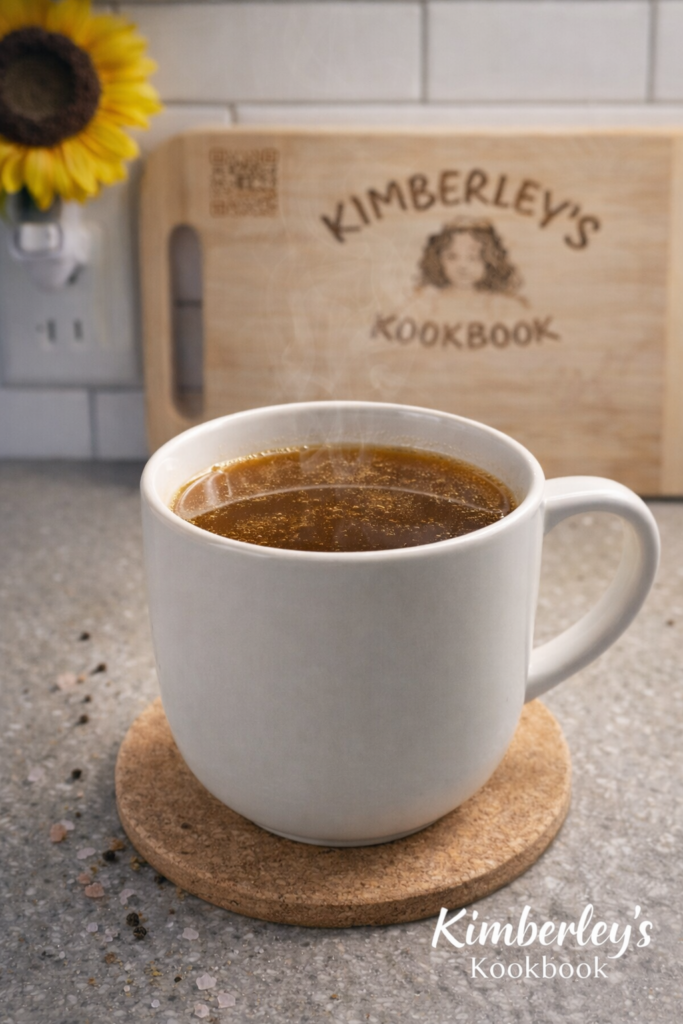

A Daily Cup of Bone Broth – A Simple Kitchen Habit That Feels Like Self-Care
There’s something deeply comforting about a pot of bone broth quietly simmering on the stove. The gentle bubbles. The warm steam. The slow passing of time. It feels less like cooking and more like caring for your home.
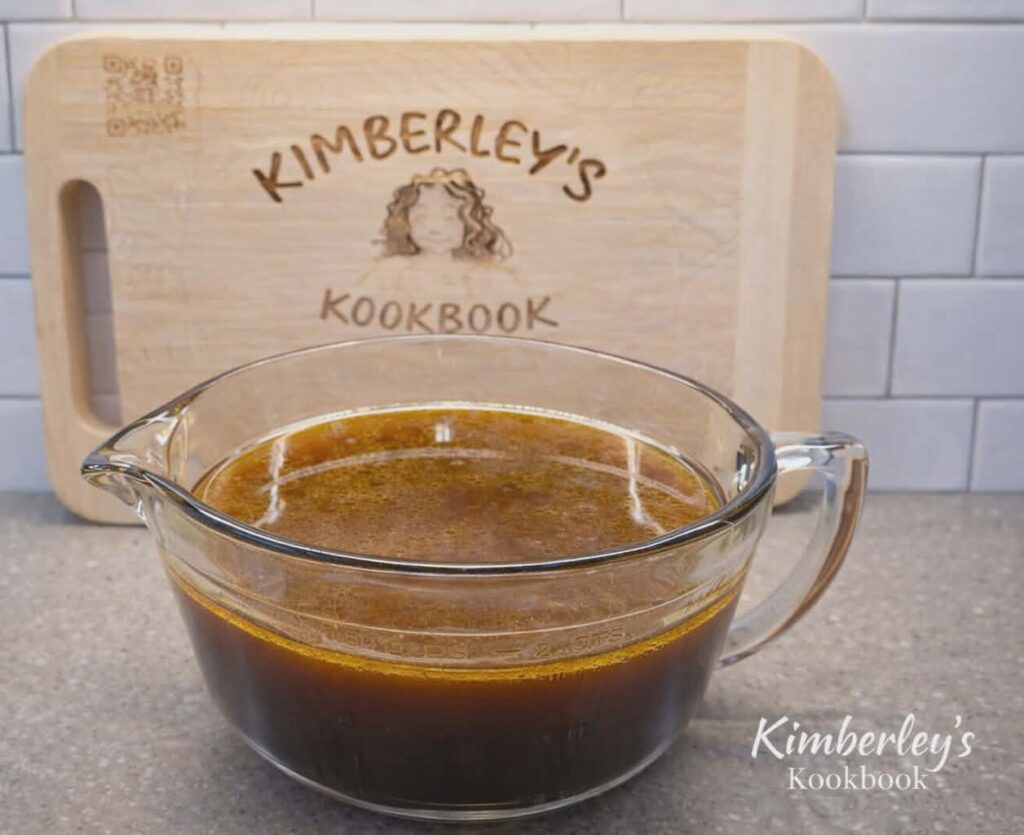
Here in Nova Scotia, where long winters and blustery days invite us to slow down, I’ve made bone broth a regular part of my kitchen rhythm. Sometimes it becomes soup. Sometimes it becomes pho. And sometimes… I just pour a warm mug, wrap my hands around it, and sip.
It’s simple. It’s old-fashioned. And it feels good.
Why I Drink Bone Broth
Bone broth has been part of traditional kitchens for generations. Long before supplements and powders, families simmered bones to stretch ingredients, nourish bodies, and build flavor. There’s a reason that tradition stuck.
When bones simmer slowly, they release natural collagen, gelatin, and minerals into the broth. That’s what gives cooled broth its signature jiggle. And that same gelatin creates a broth that feels soothing and grounding to drink.
A small cup each day is:
• Warm and hydrating
• Light but satisfying
• Easy on digestion
• Naturally savory without heaviness
It’s one of those quiet kitchen habits that supports feeling cared for — especially on cold mornings, low-energy days, or when your body just wants something gentle.
What Makes This Broth So Nourishing
My bone broth uses:
Marrow and meaty beef bones
These provide collagen, gelatin, and natural proteins that give broth its silky body.
Carrots
Add natural sweetness and beta-carotene.
Celery
Brings minerals and gentle savory balance.
Onions
Support flavor depth and contain natural plant compounds traditional kitchens have relied on for centuries.
Long simmering time
This slow process allows nutrients and flavor to develop without needing artificial additives.
No powders.
No preservatives.
Just whole ingredients and patience.
Health-Supportive Reasons Why People Love Bone Broth
While bone broth is not a medical treatment, many people enjoy it as part of a supportive lifestyle for:
• Joint comfort
• Gut-friendly meals
• Easy-to-digest nourishment
• Hydration with minerals
• General wellness routines
Because it’s light, warm, and savory, it’s also a popular choice during:
• Cold and flu season
• Recovery days
• Low appetite days
• Gentle meal plans
It fits beautifully into everyday home cooking without feeling restrictive or complicated.
(As always, individual needs vary. Bone broth is a food, not a medical remedy.)
The Beauty Of A Daily Cup
One of my favorite ways to use this broth is the simplest of all. Just warm a mug. Add a pinch of salt if needed. Sip slowly.
No dishes.
No prep.
Just warmth.
It feels like a tiny daily reset. And when a batch is waiting in the fridge, quick meals become effortless. Soup. Stews. Rice cooked in broth. Pho nights. Gravy starters. Everything begins with something already made with care.
From Broth To Pho – The Next Chapter
This bone broth is the foundation of so many future meals in my kitchen. Most often, it becomes a fragrant bowl of homemade pho. But that’s a recipe for another post.
For now, this is where it starts.
A pot. A simmer. A little patience.
A kitchen that smells like comfort.
A Note From My Kitchen
Bone broth doesn’t need to be complicated or perfect. It just needs time. And once you make it once, it becomes part of your rhythm.
A cozy habit.
A nourishing base.
A simple act of everyday care.
Classic Homemade Beef Bone Broth
Description
This homemade beef bone broth uses marrow bones, meaty beef, and charred vegetables to create a rich, clear, deeply flavorful broth. Perfect as a nourishing soup base or the starting point for homemade pho.
For Roasting
For the broth
Instructions
1. Char the Vegetables
-
Preheat oven to 450°F.
-
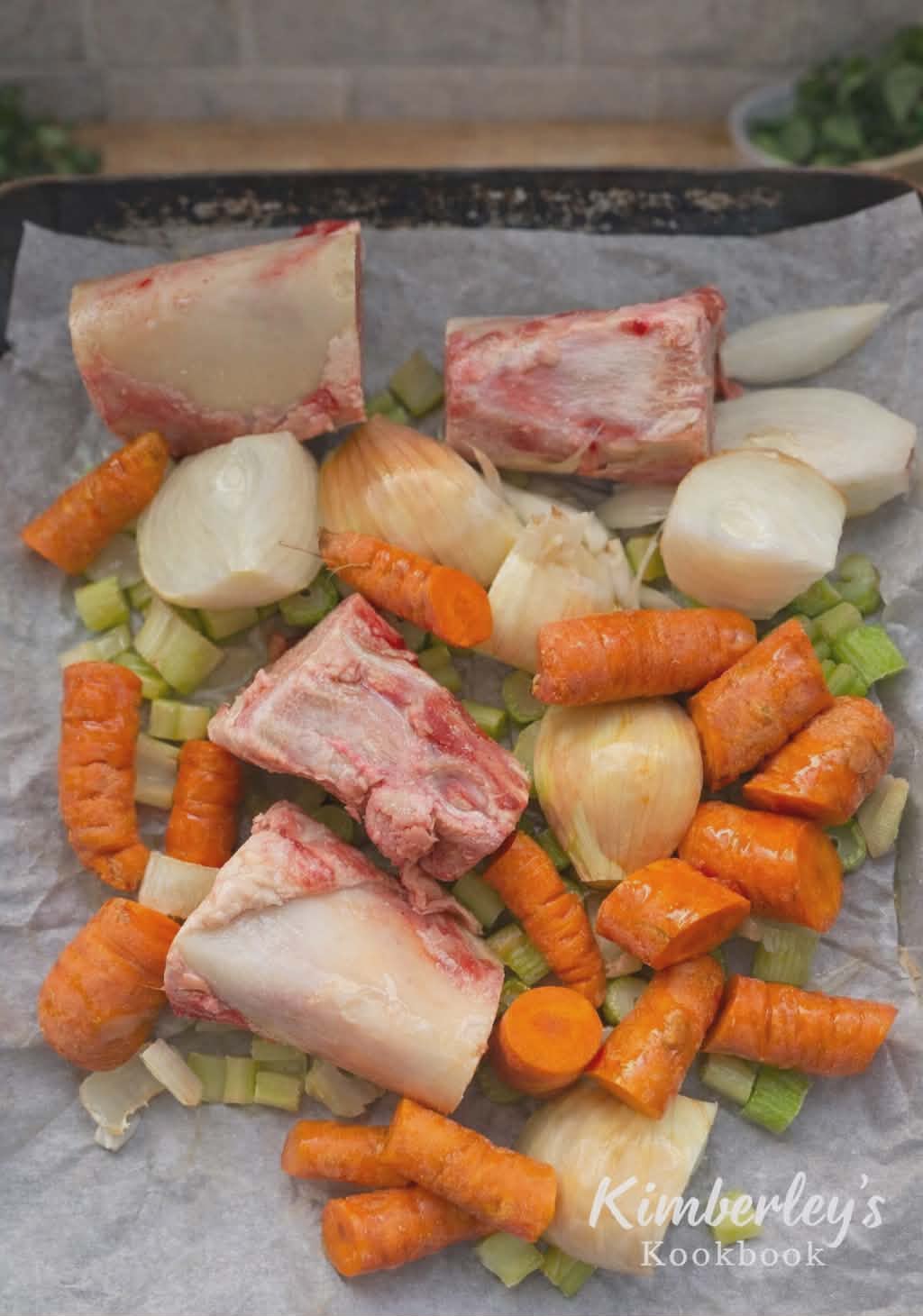
Place the bones, meat, carrots, celery, and onions in a large roasting pan.
-
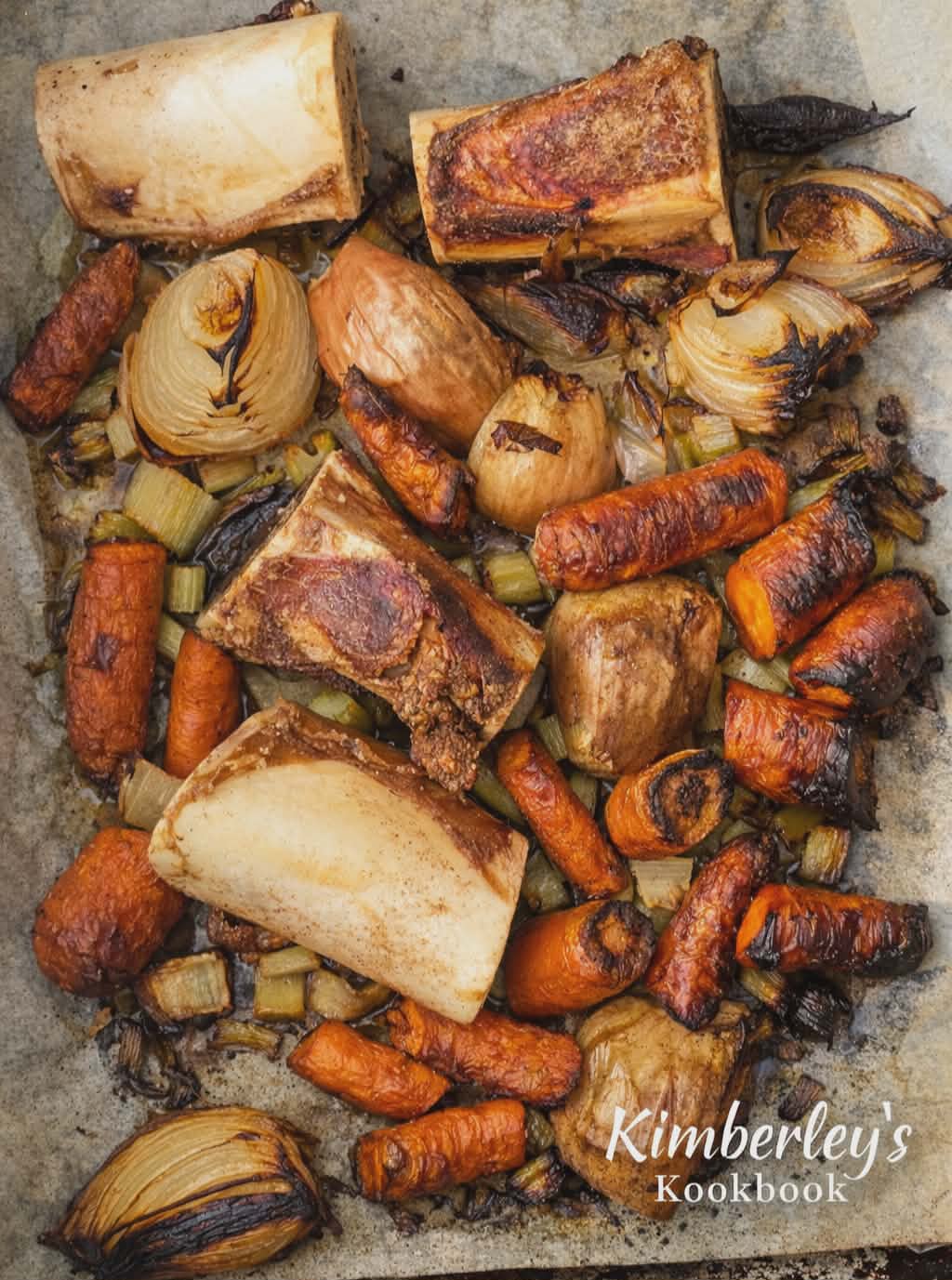
Roast uncovered for 60 minutes until nicely charred and lightly smoky.
-
This adds natural sweetness and depth to the broth.
-
Rinse bones and beef.
2. Parboil the Bones
-
Transfer roasted bones, meat and vegetables into a large stockpot.
-
Add enough water to just cover the ingredients.
-
Bring to a boil and boil for 5 minutes.
-
Drain and rinse each bone under running water.
-
Wipe the pot clean.
(This keeps the broth clear and clean tasting.)
3. Long Simmer
-
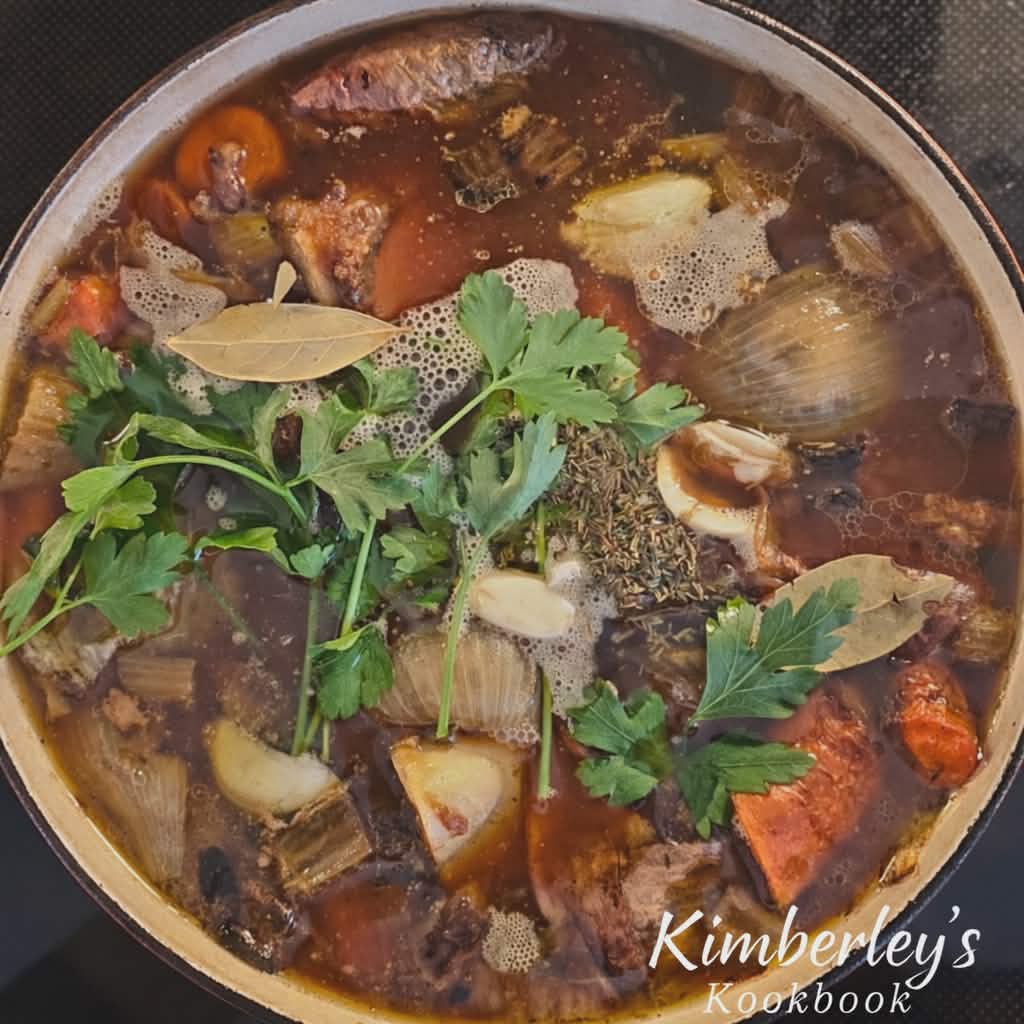
Return bones and beef to the clean pot.
-
Add 3–4 liters fresh water.
-
Add the charred vegetables, salt, thyme, peppercorns, parsley, garlic, and bay leaf.
-
Cover and simmer (at a gentle bubble) on very low heat for:
• 24 hours for traditional depth
• or 6–8 hours for a shorter version
-
Top up with water if needed to keep everything submerged.
4. Strain & Finish
-
Remove bones, meat and vegetables.
-
Strain the broth into a large bowl.
-
Stir in the remaining 3/4 tsp salt, or adjust to taste.
-
Keep the broth. Set aside the beef.
-
Discard bones and vegetables.
5. Chill (Optional but Recommended)
-
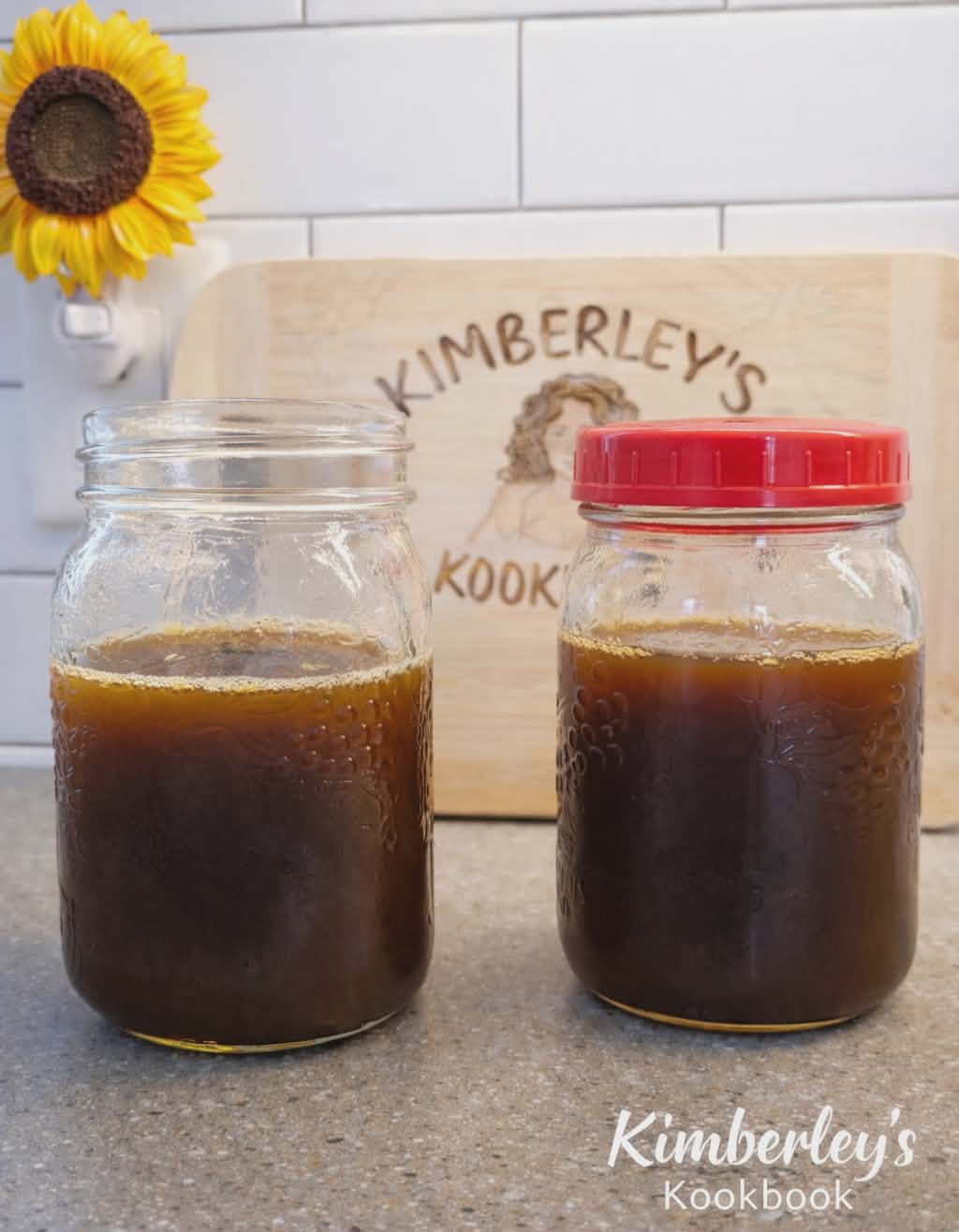
Cool uncovered in the refrigerator overnight.
-
Once chilled, remove the hardened fat from the top.
-
At this point, your broth is ready to:
• Use immediately for pho
• Store for later
• Freeze in portions
-
You should end up with approximately 1.6-1.7 liters.
Nutrition Facts
Serving Size 250ml
- Amount Per Serving
- Calories 45kcal
- % Daily Value *
- Total Fat 1g2%
- Saturated Fat 3g15%
- Trans Fat 0g
- Cholesterol 10mg4%
- Sodium 375mg16%
- Total Carbohydrate 1g1%
- Dietary Fiber 0g
- Sugars 0g
- Protein 9g18%
* Percent Daily Values are based on a 2,000 calorie diet. Your daily value may be higher or lower depending on your calorie needs.
Note
Storage
Refrigerator: Up to 5 days
Freezer: Up to 3 months
• No need to peel vegetables — just wash and scrub well
• Charring the vegetables adds natural sweetness and depth
• Parboiling the bones keeps the broth clear and clean-tasting
• Longer simmering time creates a richer, more gelatinous broth
• Chill overnight to easily remove excess fat from the top
• Save the cooked beef for soups, bowls, or future pho
• Freeze broth in small portions for quick meals anytime
Fat, cholesterol, and sodium values may vary depending on how thoroughly fat is skimmed after chilling.
Nutrition information is automatically calculated and should be considered an estimate only. Actual values may vary depending on ingredients used.